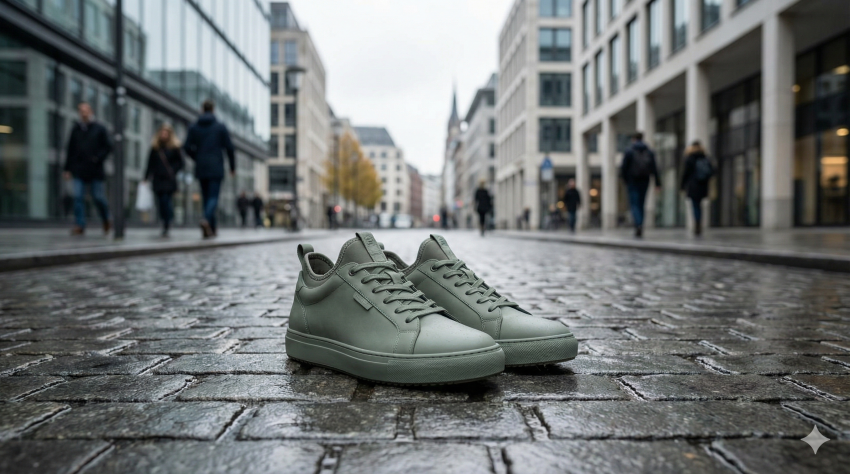
Why Waterproof Sneakers Are Essential for City Travel
I’ve spent the better part of a decade testing footwear across global fashion weeks and relentless press tours, and if there is one cardinal rule of packing I swear by, it is that weather-agnostic footwear is non-negotiable. You land in London or Tokyo with a meticulously curated capsule wardrobe, only to be greeted by a horizontal drizzle that turns regular knit runners into miserable, soggy sponges within minutes. Waterproof sneakers have completely transitioned from a niche outdoor category into the undisputed anchor of modern travel style, and for good reason.
When curating travel looks for clients or planning my own itineraries, I prioritize these shoes because they solve the most frustrating wardrobe bottlenecks. The reality of why they are the absolute first item that should go into your carry-on comes down to a few daily travel frictions:
- Protection from Urban Grime: City travel exposes you to much more than just a little rain. We are navigating hidden curbside puddles in New York, slick morning cobblestones in Rome, and the questionable, lingering dampness of underground transit systems. A waterproof membrane acts as a protective shield against unpredictable, dirty city streets, keeping your feet pristine and dry regardless of what you step in.
- The “One-Shoe” Packing Strategy: Luggage real estate is incredibly precious. Nobody wants to dedicate half a suitcase to clunky rubber rain boots for a “just in case” forecast. A sleek, weatherized sneaker seamlessly handles airport security lines, 15,000-step sightseeing days, and sudden downpours, allowing you to aggressively edit down your packing list without second-guessing yourself.
- The Gorpcore Style Convergence: Let’s be honest, technical footwear used to look aggressively dorky. Today, thanks to the utilitarian fashion movement, top-tier footwear labels are hiding serious weather protection inside highly coveted silhouettes. You get to wear something that looks intentional and sharp with straight-leg denim or a tailored travel trouser, without broadcasting to the world that you are wearing functional rain gear.
In recent conversations I’ve had with product developers at major lifestyle brands, the industry shift is obvious: “stealth utility” is the new baseline. They are seeing massive consumer demand for weatherized iterations of their classic models. To visualize exactly how this changes the daily rhythm of a trip, let’s look at the functional difference on the ground:
| Common Urban Travel Scenario | Standard Sneaker Reality | Waterproof Sneaker Advantage |
|---|---|---|
| Sudden Afternoon Downpour | Soggy socks, ruined suede, forced to return to the hotel to change. | Water easily beads off; your itinerary continues completely uninterrupted. |
| Spilled Coffee in a Crowded Café | Permanent stains locked into lightweight knit fabrics. | Wipes completely clean with a simple paper napkin. |
| Chilly Morning Walking Tours | Cold wind cuts straight through standard breathable mesh uppers. | The inner membrane traps natural body heat, providing instant insulation. |
By eliminating the constant friction of weather-related wardrobe changes, you buy back time and energy on your trip. You are no longer checking the weather app every hour to decide if your footwear can handle the afternoon plan. This psychological freedom, paired with modern aesthetic appeal, is exactly why I consider them a mandatory travel asset rather than an optional accessory.
Top Features to Look for in Travel-Friendly Waterproof Sneakers
I’ve logged thousands of miles across rainy London streets and slick Tokyo subway stations, and I can tell you firsthand that slapping a water-resistant label on a shoe doesn’t make it travel-ready. When evaluating footwear for urban exploration, we are looking at a highly specific intersection of technical performance and day-long wearability. You need to scrutinize the shoe’s anatomy before it earns a spot in your carry-on.
Breathability vs. Waterproofing (Gore-Tex and Alternatives)
The biggest trap in waterproof footwear is creating a moisture-locking sauna for your foot. A completely sealed shoe will keep the rain out, but your feet will end up soaked in their own sweat after a five-mile museum hop. The secret to long-term comfort is microporous technology.
- Gore-Tex (GTX): The industry standard for a reason. Its membrane features billions of pores per square inch—large enough to let water vapor escape, but too small for liquid water droplets to penetrate. If you are heading to predictably wet climates like the Pacific Northwest or Scotland, GTX is your safest bet.
- Proprietary Knit Tech: Brands like Vessi have revolutionized the space with materials like Dyma-tex, integrating the waterproofing directly into the knit yarns rather than using a coated layer. I prefer these for warmer, humid cities because they offer superior stretch, lower weight, and feel significantly less stiff than traditional membrane shoes.
- DWR Treatments: Be wary of shoes that rely solely on a Durable Water Repellent coating. While great for a light drizzle, DWR wears off over time and will not withstand stepping into a deep Parisian street puddle.
Arch Support and Cushioning Tech
Pounding urban concrete is arguably harsher on your joints than a dirt hiking trail. Since you will likely be hitting 15,000 to 20,000 steps a day on vacation, flat, unsupportive soles are a recipe for plantar fasciitis and travel fatigue.
We evaluate urban travel sneakers based on their midsole energy return and structural support. Look for dual-density foams—like specialized EVA or proprietary blends such as Adidas Boost, Nike React, or On’s CloudTec. You want a softer foam directly underfoot for immediate plushness, backed by a firmer foam closer to the ground for stability. Additionally, I always check the shoe for a structured heel counter and a removable footbed. A removable insole means you can swap in custom orthotics if you have specific arch support needs, a non-negotiable feature for serious walkers.
Outsole Traction for Urban Surfaces
Urban hazards are notoriously slick when wet. Centuries-old cobblestones in Rome, smooth marble steps, or a metal subway grate in New York require a very different grip profile than a muddy mountain trail. Heavy, deep lugs will just add unnecessary weight to your luggage and feel clunky on flat surfaces.
- Vibram Megagrip (and similar compounds): If a sneaker features a premium rubber compound like Vibram, you are in good hands. These outsoles are engineered to stick to wet, smooth surfaces like glue without wearing down quickly on concrete.
- Micro-siping: Similar to the engineering behind winter car tires, look for outsoles with tiny, razor-thin slits cut into the rubber. These channels actively push water away from the contact zone, preventing hydroplaning on slick city tiles.
- Flat, Wide Contact Area: For city travel, you need to maximize the surface area of the rubber hitting the ground. A flatter outsole with a dense, shallow tread pattern provides significantly better grip on urban terrain than the aggressive, spaced-out teeth found on rugged trail running shoes.
Breathability vs. Waterproofing (Gore-Tex and Alternatives)
The biggest battle in footwear engineering isn’t keeping water out; it’s letting heat escape. When I’m testing a new drop on the rainy cobblestones of London or the humid pavements of Tokyo, the actual waterproof layer is only half the equation. If a sneaker doesn’t breathe, you’re just swapping external rain for internal sweat, and after five miles of city walking, the resulting friction guarantees blisters.
Let’s talk about the heavy hitter first: Gore-Tex (GTX). It is the industry gold standard for a reason. The technology relies on a stretched polytetrafluoroethylene (ePTFE) membrane containing over 9 billion microscopic pores per square inch. These pores are 20,000 times smaller than a water drop but 700 times larger than a water vapor molecule. It is pure physics—rain cannot get in, but vaporized sweat can easily pass through. For modern city sneakers, I always advise my clients and readers to look specifically for Gore-Tex Invisible Fit technology. Unlike older, clunky bootie constructions that made shoes feel stiff, Invisible Fit bonds the membrane directly to the sneaker’s upper. The shoe feels and flexes exactly like a standard unlined runner, which is exactly the profile we want for stylish urban travel.
However, Gore-Tex is no longer the only viable option. Top footwear brands have poured millions into proprietary alternatives, often dropping the retail price point while maintaining highly competitive performance metrics. Here is my breakdown of the top alternatives you will encounter:
- Vessi’s Dyma-tex: This is a massive industry disruptor. Instead of sandwiching a stiff membrane inside the shoe, Vessi engineered a fully waterproof knit material. It stretches naturally and breathes exceptionally well, making it phenomenal for warm-weather city showers. The trade-off is that the soft knit lacks the structured lockdown of traditional technical fabrics.
- adidas RAIN.RDY & Nike Shield: These proprietary systems focus heavily on advanced water deflection paired with meticulously sealed seams. They are fantastic for light-to-medium city rain and allow the brands to maintain sleeker, more fashion-forward silhouettes. Just note that in my wear-testing, they tend to run a few degrees warmer internally than top-tier GTX.
- eVent: Often found in premium gorpcore and outdoor crossover sneakers, eVent uses “Direct Venting” technology. It skips the protective polyurethane layer that Gore-Tex uses, meaning your sweat vents instantly. It breathes incredibly well, though the membrane requires more frequent cleaning to prevent body oils from clogging the microscopic pores.
A quick insider warning to save your trip: do not confuse a physical waterproof membrane with a DWR (Durable Water Repellent) coating. Many visually appealing sneakers are aggressively marketed as “weather-ready” or “water-resistant,” but they merely have a chemical DWR spray applied to standard canvas or mesh. Water will bead up aesthetically for the first twenty minutes, but after a few hours of walking through wet city squares or heavy downpours, that coating wets out completely. If you are packing a single pair of shoes for a wet destination, always check the spec sheet for a dedicated waterproof membrane, not just a surface treatment.
Arch Support and Cushioning Tech
When you’re logging 15,000 to 20,000 steps a day on Parisian cobblestones or Tokyo pavement, the thin rubber soles of standard fashion sneakers will leave your feet screaming by noon. Concrete is entirely unforgiving, which is why the chassis of your travel shoe matters just as much as its weatherproof shell.
I always tell my clients that arch support isn’t merely about feeling a soft bump under your midfoot; it’s about structural alignment. When fatigue sets in during a long walking tour, your arches naturally want to collapse—a process known as overpronation. This internal rotation translates directly up your kinetic chain, causing knee stiffness and lower back pain. To combat this, you need to look for sneakers integrating a TPU (thermoplastic polyurethane) midfoot shank. This hidden rigid piece prevents the shoe from twisting unnaturally. If you can pick up a sneaker and easily wring it out like a wet towel, leave it on the shelf. It lacks the torsional rigidity required to support your foot through all-day urban exploration.
Beyond alignment, the actual cushioning technology dictates your energy levels at the end of the day. For decades, the footwear industry relied heavily on standard EVA (ethylene-vinyl acetate) foam. While cheap and lightweight, standard EVA “bottoms out”—meaning it compresses and loses its shock absorption—after just a few hours of continuous impact.
The real secret to travel comfort lies in supercritical foams and advanced energy-return systems. These are materials infused with nitrogen or CO2 gas during the molding process, creating a microscopic cellular structure that bounces back instantly. Every brand uses different marketing jargon, but understanding the core technology underneath the hood helps you cut through the retail noise:
| Cushioning Material | Industry Examples | Traveler Profile |
|---|---|---|
| Standard EVA Foam | Entry-level lifestyle sneakers | Short trips, running quick errands. I strictly advise against these for 10k+ step travel days. |
| Supercritical Foam (Nitrogen-infused) | Brooks DNA LOFT v3, Puma Nitro | Power walkers. Offers maximum energy return, maintaining bounce and resisting compression even after hours on concrete. |
| Proprietary Blends (PEBA/TPU) | Nike React, adidas BOOST | All-weather travelers. These materials provide consistent cushioning regardless of freezing or sweltering temperature changes. |
Do not ignore the geometry of the cushioning, either. I closely evaluate a shoe’s heel-to-toe drop (the height difference between the heel and the forefoot). For optimal walking dynamics, I recommend a moderate drop of 8mm to 10mm. This specific geometry takes the strain off your Achilles tendon and promotes a smooth heel strike. When brands pair this drop with a subtle “rocker” shape in the midsole, the technology literally helps propel you into your next step, saving your calf muscles from doing all the heavy lifting during those grueling, all-day museum marathons.
Outsole Traction for Urban Surfaces
You are navigating a rain-slicked cobblestone street in Rome or dodging a damp subway grate in New York. This is where your sneaker’s outsole does the heavy lifting. While we’ve already locked down the internal comfort and waterproofing tech, the bottom of your shoe dictates whether you stay upright on unpredictable wet urban terrain.
City walking presents a unique set of slipping hazards that differ entirely from a mountain trail. You aren’t dealing with loose gravel; you are transitioning rapidly between polished marble museum floors, painted wet crosswalk lines, and smooth metal utility covers. I always advise my clients to look for outsoles specifically engineered for flat, slick surfaces rather than deep mud. A chunky hiking sole on a flat, wet tile floor is actually more dangerous than a flat sole, as it provides less surface contact.
When analyzing the construction of the best travel sneakers for wet cities, I focus on three core traction elements:
- High-Friction Rubber Compounds: The material matters significantly more than the pattern itself. Look for brands utilizing Vibram Megagrip, Vibram Arctic Grip, or Adidas models featuring Continental Rubber. These proprietary compounds stay sticky and pliable even when wet or cold, consistently outperforming standard, hardened EVA foam bottoms that become ice skates in the rain.
- Siping over Deep Lugs: You don’t want aggressive hiking cleats—they ruin the sleek aesthetic of a city outfit and offer less surface contact on smooth streets. Instead, examine the sole for “siping” (thin, razor-like slits cut across the rubber blocks). Just like a premium car tire, these microscopic slits expand slightly when you step, channeling water away from the contact patch and maintaining direct friction with the pavement.
- Multi-Directional Tread: City navigation means sudden stops, pivots to avoid crowds, and quick dashes across streets. A tread pattern designed with multi-directional geometric shapes (like hexagons or overlapping circles) provides much better 360-degree grip than a traditional, linear running shoe sole, which is only built for forward momentum.
To help you strike the exact right balance between necessary grip and a refined, travel-friendly aesthetic, I use this baseline to evaluate shoe profiles before recommending them:
| Outsole Profile | Average Lug Depth | Urban Wet-Weather Performance | Style Factor |
|---|---|---|---|
| Classic Court Style | 1-2 mm | Adequate for dry days; highly prone to slipping on wet metal or smooth cobblestone. | High (Sleek, low-profile, pairs seamlessly with tailored trousers or dresses) |
| Hybrid Commuter | 3-4 mm (with siping) | Excellent all-around grip. Channels water effectively on wet city streets and subway tiles. | Moderate-High (The sweet spot for travel; technical enough for the day, clean enough for dinner) |
| Trail/Light Hiking | 5 mm+ | Complete overkill for the city. The deep, stiff lugs actually reduce traction on smooth indoor floors. | Low (Too rugged and bulky to transition into evening wear or upscale venues) |
A low-profile, sticky rubber sole with smart water-channeling grooves keeps your silhouette refined for an evening out, while giving you the exact technical confidence you need to power walk through a sudden downpour.
The Best Waterproof Sneakers for City Walking Travel (Top Picks)
Let’s cut right to the chase. You already know the tech specs required to keep your feet dry and supported—now you need the actual footwear that won’t compromise your carefully curated travel wardrobe. As someone who evaluates footwear trends season after season, dragging prototypes from the damp cobblestones of Edinburgh to sudden monsoons in Tokyo, I hold travel sneakers to an incredibly high standard. They must perform flawlessly while looking intentional. Here are the specific models that consistently earn a spot in my personal carry-on.
Best Overall: Balance of Style and All-Day Comfort
When my clients ask for one single shoe recommendation that does it all, I point them straight to the On Cloud 5 Waterproof. This silhouette has absolutely dominated the travel fashion space recently, and for good reason.
- The Look: It strikes that elusive balance between athletic functionality and sleek streetwear. The monochromatic colorways (especially the all-black) seamlessly blend into an urban environment, avoiding the clunky tourist trap.
- The Feel: You are getting their signature zero-gravity foam. Hitting 25,000 steps wandering around Paris feels effortless.
- Travel Hack: The speed-lacing system is a lifesaver at airport security lines. Slip them off and on without breaking your stride.
Best for Lightweight Packing
If you are strictly a “personal-item only” traveler, every ounce matters. Traditional waterproof shoes notoriously rely on heavy leathers and thick membranes. My go-to solution here is the Vessi Cityscape.
- The Construction: Vessi bypasses traditional DWR coatings and uses a proprietary knit material where the waterproofing is built directly into the yarn. This means they are ridiculously light.
- Packability: Because the upper is a flexible knit, you can practically squash them flat against the sides of your packing cubes. They take up a fraction of the space of a traditional leather sneaker.
- Styling Note: The sock-like fit pairs beautifully with cropped travel trousers or leggings, giving a streamlined, minimalist aesthetic.
Most Stylish for Evening City Outings
This is the hardest category to nail. You want a shoe that handles a rainy afternoon walking tour but easily transitions into a dimly lit, high-end cocktail bar. For this, I swear by the Salomon XT-6 GORE-TEX.
Before you dismiss this as purely an outdoor shoe, look at the current street-style scene. The “gorpcore” trend has cemented the XT-6 as a high-fashion darling. I constantly see fashion editors pairing these with tailored wide-leg trousers, oversized blazers, and luxury trench coats in cities like London and Berlin.
- The Aesthetic: The aggressive lines and technical details provide a sharp contrast to elevated evening wear. It tells people you know exactly what is current in fashion.
- Hidden Tech: Behind the fashion-week exterior is a rugged, fully waterproof Gore-Tex membrane and an incredibly stable chassis. You get elite-level weather protection disguised as a hypebeast staple.
Best Overall: Balance of Style and All-Day Comfort
When clients ask me for the single most versatile shoe for a multi-city European tour or a rainy week in Tokyo, I consistently point to the On Cloud 5 Waterproof. It nails the elusive sweet spot between a modern athleisure aesthetic and rigorous weather protection, making it my undisputed champion for the best overall city travel sneaker.
What sets the Cloud 5 apart in the fashion space is its silhouette. Unlike traditional waterproof footwear that often leans bulky or overtly utilitarian, On Running has maintained a sleek, minimalist profile. You can pair these seamlessly with tailored joggers in transit, or a relaxed trench coat and straight-leg denim for an evening out in London. The brand’s signature speed-lacing system is another massive win for frequent flyers—getting through airport security or slipping them off on a long-haul flight is completely frictionless.
For those who prefer a classic, street-style look but refuse to compromise on dry socks, my immediate runner-up is the Vessi Weekend. Vessi disrupted the market by integrating the waterproof membrane directly into the knit material rather than just applying a surface coating. This keeps the shoe surprisingly supple and avoids the stiff, crinkly feeling notorious in older weatherproof shoes.
Here is how my top two overall picks stack up for daily urban travel:
| Feature | On Cloud 5 Waterproof | Vessi Weekend |
|---|---|---|
| Aesthetic Vibe | Sleek, tech-athletic, modern minimalist | Casual, classic court-sneaker, laid-back |
| Waterproof Tech | Internal waterproof membrane | Dyma-tex® patented integrated knit |
| Best Wardrobe Pairing | Technical wear, dark denim, activewear | Chinos, casual midi dresses, wide-leg trousers |
| Standout Travel Perk | Bungee speed laces for slip-on ease | Completely machine washable for post-trip resets |
If you are investing in just one pair to anchor your travel capsule wardrobe, choose the On Cloud 5 if your style leans modern and active, or the Vessi Weekend if you prefer an understated, retro-sneaker look. Both guarantee you can comfortably log 20,000 steps on wet cobblestones without looking like you are about to summit a mountain.
Best for Lightweight Packing
Squeezing a bulky, rigid waterproof shoe into a carry-on is a rookie mistake I see travelers make constantly. When you’re flying budget airlines or just trying to keep your luggage under a strict weight limit, every single ounce counts. For the minimalist packer, your footwear needs to do double duty: deliver on weather protection while compressing easily into the tight corners of a weekender bag.
Through countless packing tests and miles logged across European cobblestones and slick Tokyo subways, I’ve found that the best lightweight options ditch traditional heavy leather and thick rubber overlays in favor of advanced knit technologies and featherlight foam compounds.
Here are my top two industry-favorite picks that won’t tip the airport scales:
- The Featherweight Champion: Vessi Cityscape Classic
If you want a shoe that practically disappears in your bag, Vessi is my go-to recommendation. Because their proprietary waterproofing is integrated directly into the knit rather than relying on stiff interior booties, the upper remains entirely pliable. You can flatten the heel and toe box together, making them incredibly easy to slip into a shoe bag and slide down the side of your suitcase. At roughly 200-250 grams per shoe depending on size, they are barely noticeable in a backpack.
- The Performance Minimalist: On Cloud 5 Waterproof
On Running completely revolutionized lightweight cushioning with their Zero-Gravity foam, and the waterproof iteration of the Cloud 5 brings that exact same airy feel to wet-weather travel. Weighing in at just 281 grams (men’s standard size), these are exceptionally light for a fully waterproof silhouette. The speed-lacing system is a massive bonus for sliding through TSA checkpoints, and the sleek, low-profile design means they don’t eat up valuable cubic inches in your luggage.
To help you quickly compare, here is a breakdown of how these lightweight contenders stack up for packing purposes:
| Model | Approx. Weight (Per Shoe) | Compressibility | Best Packing Method |
|---|---|---|---|
| Vessi Cityscape Classic | ~230g | High (Soft knit upper flattens easily) | Store flat against the luggage wall |
| On Cloud 5 Waterproof | ~281g | Medium (Structured sole, soft upper) | Stuff with rolled socks to save space |
My personal packing strategy when bringing either of these along? I always wear my heavier, structured boots or shoes on the plane and pack these lightweight sneakers in my bag. If space is incredibly tight, I utilize the interior cavity of the sneakers to store small, dense items like rolled-up belts, jewelry pouches, or universal power adapters, effectively turning the shoe into a protective packing cube.
Most Stylish for Evening City Outings
Navigating a wet cobblestone street in Paris or grabbing drinks in Tokyo requires a shoe that doesn’t scream “tourist on a hike.” For evening itineraries, the aesthetic priority shifts from rugged technicality to seamless integration with your dinner wardrobe. I always advise my styling clients to look for low-profile silhouettes and monochromatic colorways. When a waterproof sneaker mimics the clean lines of a classic dress shoe or a minimal leather loafer, it passes the evening dress-code test while retaining the weather protection we discussed earlier.
My absolute top recommendation for nighttime elegance is the ECCO Soft 7 Gore-Tex. Because ECCO owns their tanneries, they have a massive industry advantage: they treat premium full-grain leather with waterproofing agents at the raw material stage. The result is a buttery-soft, matte finish that completely hides the internal Gore-Tex membrane. Pair the all-black version with tailored trousers, dark selvedge denim, or a slip dress, and the shoe practically disappears into a sophisticated, tailored silhouette.
If you prefer a contemporary, textured aesthetic over smooth leather, the Vessi Soho Sneaker is my alternative go-to. Vessi’s proprietary Dyma-tex technology is woven directly into the yarn rather than applied as a bulky topical coating. The Soho model features a faux-leather trim and a slightly chunky, elevated platform that reads as deliberate streetwear styling rather than just an athletic necessity.
| Shoe Model | Best Evening Aesthetic | Material Finish | Style Insider Tip |
|---|---|---|---|
| ECCO Soft 7 GTX | Smart-casual, refined, classic European minimalism. | Matte full-grain leather. | Swap the standard laces for waxed cotton laces to instantly elevate the shoe to dress-shoe status. |
| Vessi Soho | Modern streetwear, edgy, youthful. | Knit with vegan leather trim. | Opt for the “Asphalt Black” colorway to seamlessly transition from afternoon museum tours to underground jazz clubs. |
The real secret to pulling off sneakers at an upscale venue is pristine presentation. A scuffed toe box ruins the illusion, no matter how sleek the silhouette. Stick to darker, tonal colors for evening wear; while a stark white sneaker is brilliant for daytime street style, charcoal, deep navy, or jet black anchors an evening outfit and discreetly masks any rain splatters or street grime you might have picked up en route to your dinner reservation.
How to Style Your Waterproof Sneakers for Any Destination
The secret to pulling off waterproof sneakers in a stylish metropolis isn’t hiding them under long hemlines; it’s making them an intentional part of your look. I always tell my clients to embrace the “wrong shoe theory”—a styling trick where pairing a functional, slightly technical shoe with an elevated outfit creates the most compelling visual friction. Since we’ve already locked down the sleekest, most comfortable silhouettes for your trip, let’s break down exactly how to wear them so you don’t look like a lost hiker in the middle of Le Marais.
The key to packing light is ensuring your shoes anchor multiple outfits. Here is how I approach building travel looks around weather-ready footwear based on the city’s fashion vocabulary:
| Destination Vibe | The Outfit Formula | Why It Works |
|---|---|---|
| European Chic
(Paris, Milan, Copenhagen) |
Monochromatic waterproof sneakers + tailored puddle-hem trousers + crisp oversized button-down + classic trench coat. | High-low mixing at its finest. The trench inherently speaks to rainy weather, tying the shoe’s utility into a cohesive, elegant aesthetic while the trousers drape seamlessly over the collar of the shoe. |
| Trend-Forward Streetwear
(Tokyo, Seoul, London) |
Chunky tech sneakers + parachute pants (or nylon cargo midi skirt) + fitted ribbed knit + oversized boxy blazer. | Leans into the “gorpcore” trend. The blazer elevates the technical fabrics of the pants and shoes, creating a balanced silhouette that thrives in unpredictable urban climates. |
| Versatile Casual
(New York, Seattle, Melbourne) |
Sleek low-profile sneakers + straight-leg raw denim (slightly cuffed) + cashmere crewneck + structured crossbody bag. | Classic and foolproof for 15,000-step days. Cuffing the denim to expose the ankle bone breaks up the visual weight of the shoe, keeping the look light and intentional. |
My Insider Styling Hacks for Technical Footwear:
- Keep your color palette tonal: Match your socks to your shoes or your pants. A continuous color line elongates the leg and effortlessly disguises the utilitarian roots of the footwear. If you pack a black sneaker, build your travel capsule wardrobe around charcoal, black, and navy.
- Embrace the slip skirt contrast: Pack a silk midi slip skirt and wear it during the day with your waterproof sneakers and an oversized knit sweater. The stark contrast between delicate silk and a rugged, weather-proof shoe is incredibly modern and street-style ready.
- Mind the ankle gap: If you are wearing cropped pants, invest in high-quality, slightly slouched ribbed crew socks in neutral tones. Wearing no-show socks with technical or bulky sneakers often makes the shoe look unanchored and ruins your outfit’s proportions.
- The ultimate detail swap: One of my favorite quick fixes before a trip is replacing the stock reflective or hiking-style laces that often come with outdoor-ready shoes. Swap them out for a pair of flat, waxed cotton laces. It instantly transforms a performance-heavy shoe into a refined fashion sneaker.
Maintenance Guide: Keeping Your Sneakers Fresh and Waterproof
City grit, spilled espresso, and unexpected puddles take a toll on your footwear faster than you’d think. You’ve invested in top-tier tech to keep your feet dry, but that waterproofing isn’t invincible. Dirt actually compromises the hydrophobic membranes we discussed earlier, acting like microscopic sponges that pull water right through the upper. To keep your travel rotation looking sharp and functioning perfectly, I rely on a specific post-trip and mid-trip maintenance routine.
The Mid-Trip Wipe Down
You don’t need a full cleaning kit in your carry-on. I always pack a few individual sneaker wipes in my toiletry bag—brands like Jason Markk or Crep Protect work exceptionally well. Give the uppers and midsoles a quick wipe at the end of the day. If you step in something nasty on the subway grate, a damp hotel washcloth with a tiny drop of mild hand soap will do the trick. The goal here is to prevent urban grime from setting into the technical fabrics before it becomes a permanent stain.
The Post-Trip Deep Clean
Once you are back home, it’s time for a proper reset. Never throw waterproof sneakers in the washing machine; the agitation and harsh detergents will destroy the seam sealing and the delicate waterproof linings.
- Step 1: Dry Brush. Use a premium horsehair brush to knock off dried dirt. A stiff nylon brush is fine for the outsoles, but stick to soft bristles for the upper to avoid fraying the knit or scratching any leather overlays.
- Step 2: Spot Clean. Mix a specialized sneaker cleaning solution with water. Dip a soft brush, shake off the excess, and scrub gently in circular motions. For stubborn midsole scuffs picked up on cobblestone streets, I use a slightly damp melamine sponge (like a Magic Eraser), but keep it strictly on the rubber and far away from the upper materials.
- Step 3: Air Dry. Wipe away the foam with a microfiber towel and let the shoes air dry at room temperature. Keep them away from direct radiators or hair dryers, which will warp the materials and melt the industrial glue holding the sole together.
Reviving the Waterproofing (The DWR Reset)
Even the best waterproof shoes rely on a Durable Water Repellent (DWR) coating on the outer layer, which wears off from friction, dirt, and flexing as you walk. If you notice water stops beading up and instead soaks into the surface fabric (industry insiders call this “wetting out”), it’s time to reapply.
After a thorough cleaning and drying, spray a specialized waterproofing pump spray over the uppers. Hold the bottle about six inches away and apply an even, comprehensive coat. Pro trick: DWR often needs a little heat to fully activate. If your shoe’s care label permits, a quick pass with a hairdryer on a low, warm setting can help set the hydrophobic barrier so they perform like new for your next trip.
Combatting Odor
Waterproof means less airflow; it’s just the physics of the design. To keep things fresh when clocking 20,000 steps a day, I cycle through these methods depending on the situation:
| Method | Best For | How to Use |
|---|---|---|
| Cedar Shoe Trees | Home storage | Pop them in immediately after wearing. Cedar naturally absorbs moisture and neutralizes odors while maintaining the shoe’s shape. |
| Silica Gel Packets | Packing light | Save the packets from new clothes or electronics and toss them into your sneakers overnight in your hotel room to suck out lingering sweat. |
| Antibacterial Spray | Mid-trip freshness | A quick mist of a sneaker-specific deodorizer removes the bacteria causing the smell, rather than just masking it. |
FAQ
Do waterproof sneakers make your feet sweat more?
Honestly, yes. Even with the premium breathable tech we covered earlier, an impenetrable barrier against rain naturally traps some internal heat. When I pack for transitional seasons in cities like London or Portland, I always pair my waterproof shoes with lightweight merino wool socks. Merino pulls moisture away from your skin, effectively neutralizing the reduced airflow. Never wear cotton with these.
Can I wear waterproof sneakers for summer travel?
I strongly advise against it if your destination averages above 75°F (24°C), unless you expect daily monsoons. In high heat, sweat trapped inside a waterproof shoe will cause friction and blisters much faster than rain would. Save these for fall, winter, and wet spring trips. For high summer city walking, trade the weatherproofing for an open-weave mesh runner.
How long does the waterproofing actually last?
If you buy a sneaker with a built-in bootie membrane, the waterproofing lasts the lifetime of the shoe’s structural integrity. Just watch out for inner friction—if your toenail wears a hole in the interior lining, water will get in. If your shoe relies solely on an external DWR coating, expect peak performance for about 3 to 6 months of heavy urban wear before you need to reapply the sprays we discussed in the maintenance guide.
Do I need to size up when buying the waterproof version of my favorite sneaker?
In my experience fitting clients and testing these across dozens of trips, I usually recommend going up half a size. The waterproof membrane creates a stiffer, slightly thicker inner wall that refuses to stretch or “break in” the way standard knit or canvas does. Add in the natural foot swelling that happens after clocking 20,000 steps on concrete, and that extra half-size will save you from bruised toes.
Are waterproof travel sneakers heavier? Will they weigh down my luggage?
Historically, they were clunky. Today, the brands we featured have bridged the gap beautifully. You might notice a 1- to 2-ounce difference per shoe compared to their non-waterproof counterparts due to the denser outsoles and gusseted tongues. It is a completely negligible trade-off, and if you wear your bulkiest pair on the plane, they won’t impact your carry-on weight limits at all.