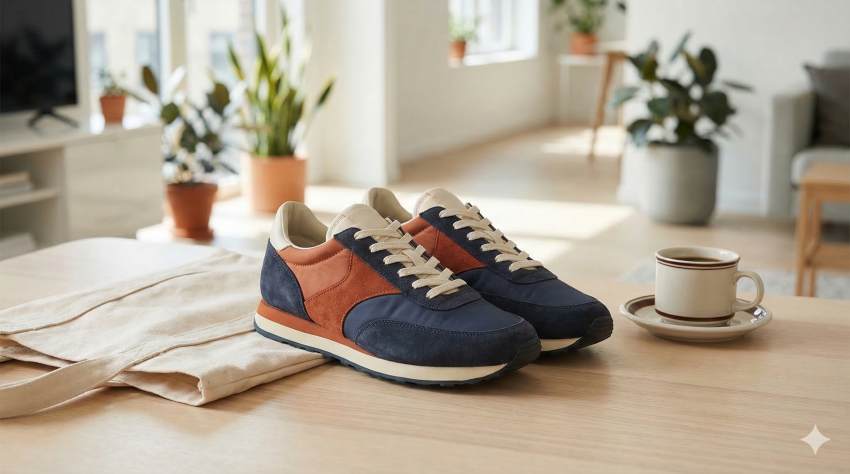
The Resurgence of Heritage: Why Retro Running Sneakers Dominate Modern Streetwear
The shift we’re seeing toward vintage silhouettes isn’t just a fleeting nostalgia trip; it’s a direct response to the “over-designed” fatigue that hit the market a few years ago. Having tracked footwear cycles for over a decade, I’ve watched the pendulum swing away from the aggressive, carbon-plated “super shoes” and back toward the balanced proportions of the 1970s and 80s. Today, a pair of New Balance 1906Rs or Asics Gel-Kayano 14s carries more social currency in high-fashion circles than most limited-edition high-tops.
There are three core drivers behind why these archival runners are currently winning the streetwear war:
- The “Anti-Tech” Aesthetic: While modern performance runners look like sleek aerodynamic pods, retro models utilize layered paneling. This construction creates a 3D depth that designers love because it allows for complex color-blocking—mixing pigskin suede, open-cell mesh, and 3M reflective hits in a way that modern knit uppers simply can’t replicate.
- The Democratization of Comfort: Unlike the flat soles of vintage basketball shoes (like the Dunk or Jordan 1), retro runners were originally engineered for high-mileage athletes. Even 30-year-old EVA foam technology provides a superior “step-in” feel for all-day city commuting, making them the pragmatic choice for the 10,000-steps-a-day lifestyle.
- Cultural Heritage and “Archival” Value: We are in an era where “old” equals “authentic.” Brands like Saucony and Mizuno are digging into their vaults to re-release models that were once niche. This gives consumers a sense of storytelling—wearing a shoe that has a history at the Boston Marathon or the Tokyo streets feels more substantial than wearing a mass-produced “lifestyle” silhouette.
I’ve noticed that the most successful contemporary brands—Aime Leon Dore and JJJJound, for instance—don’t try to reinvent the wheel. They simply curate existing heritage. This “curated nostalgia” bridges the gap between the functional gym rat and the high-fashion minimalist. By utilizing cream-colored midsoles and pre-yellowed accents, manufacturers are tapping into a “neo-vintage” vibe that looks better as it ages, unlike the pristine white of a modern tech runner which looks “dead” the moment it gets a scuff.
From a market perspective, the dominance of these sneakers is also fueled by their versatility. We’ve moved past the rigid rules of footwear; the chunkier profile of an 80s runner provides the necessary “anchor” for the wider, relaxed-fit trousers that have replaced slim-cut denim. It’s a symbiotic relationship between apparel proportions and footwear volume that makes the retro runner the undisputed backbone of the modern wardrobe.
Would you like me to dive into the specific model rankings for the “Top Picks” section next?
Top Picks for Every Lifestyle: A Comprehensive Retro Running Style Everyday Sneakers Review
We’ve moved past the era where “retro” just meant a simple re-release; now, it’s about how these silhouettes integrate into the friction of daily life. After logging hundreds of miles in various heritage models—not on the track, but on city concrete—I’ve narrowed down the definitive rotation for 2026. These aren’t just shoes; they are the reliable anchors of a functional wardrobe.
| Model | Best For | Key Vibe | Pro Tip |
|---|---|---|---|
| New Balance 2002R | All-Day Commuting | Technical Heritage | Go up a half size if you have a wide midfoot. |
| Asics GEL-Kayano 14 | High-Fashion Crossover | Y2K Metallic | Pair with silver accessories to pop the overlays. |
| Adidas SL-72 | Minimalist/Slim Profile | 70s Track Star | Best with straight-leg or flared denim. |
| Nike Air Pegasus ’89 | The “Safe” Professional | Clean & Subdued | Stick to the “Swan” or “Wolf Grey” colorways. |
The New Balance 2002R remains my top recommendation for anyone transitioning from a stiff dress shoe to a “lifestyle runner.” While the 990 series gets the hype, the 2002R offers the N-ergy shock absorption that feels less like a sponge and more like a supportive platform. I’ve found that the pigskin suede holds up remarkably well against light rain, though the mesh toe box is quite porous—something to keep in mind for colder climates.
If you’re leaning into the “technical” look that’s dominating the current landscape, the Asics GEL-Kayano 14 is the undisputed heavyweight. It’s a masterclass in the 2000s aesthetic. What I love about this pair is the lateral stability; unlike the softer “lifestyle” silhouettes, these won’t leave your arches aching after a day at a trade show or a long flight. The metallic synthetic leather overlays give it a “high-end” sheen that looks intentional, not just like you forgot your gym bag.
- The Understated Workhorse: Saucony Shadow 6000. Often overlooked by the mainstream, this is my “industry secret” pick. The ionic cushioning system provides a chunky height boost without the weight of a platform shoe. The triangular lug outsole offers better grip on wet subway stairs than almost any other retro runner I’ve tested.
- The Slim Alternative: Onitsuka Tiger Mexico 66. For those who find the “dad shoe” trend too bulky, this is your pivot. It’s incredibly low-profile. Be warned: the arch support is minimal, so I reserve these for dinner dates or office days rather than 10,000-step excursions.
- The Texture King: Nike V2K Run. Combining elements of the Vomero 5 with a vintage aesthetic, this is for the person who wants the comfort of a modern performance shoe with the soul of a 20-year-old archive find. The dual-density foam midsole is noticeably softer than the Asics, making it the better choice for those who prefer a “squishy” feel underfoot.
When selecting your pair, look closely at the midsole composition. EVA foam—found in many 70s and 80s replicas—will eventually “set” and lose its bounce. If you’re looking for a pair to wear 300+ days a year, prioritize models like the 2002R or the Kayano that incorporate gel or encapsulated air units. They maintain their structural integrity far longer than pure foam competitors.
Would you like me to dive deeper into the specific colorway trends for this season to help you choose the right palette for your wardrobe?
Performance Meets Aesthetics: Detailed Tech and Comfort Comparison
Material Durability and Long-term Wearability Analysis
Style Guide: How to Incorporate Vintage Runners into Your Daily Wardrobe
Styling vintage runners isn’t just about throwing on a pair of old-school kicks; it’s about balancing the aggressive, multi-textured geometry of the late ’80s and ’90s with modern proportions. As someone who has spent years tracking the shift from minimalist “common projects” aesthetics to the current “New Balance-ification” of street style, I’ve found that the secret lies in the tension between the technical heritage of the shoe and the softness of contemporary fabrics.
To master this look, you need to understand the visual weight of your sneaker. A slim-profile runner like the Onitsuka Tiger Mexico 66 requires a completely different pant break than a chunky, EVA-midsole beast like the Saucony Shadow 6000 or the New Balance 990v6.
Here is how we are currently executing these looks on the ground:
- The “High-Low” Contrast: We are seeing a massive move toward pairing tech-heavy, grey-toned runners with structured tailoring. Think pleated wool trousers that hit right at the tongue of the shoe. The key is to ensure the trouser leg is wide enough to let the sneaker breathe—avoid skinny fits at all costs, as they create a “clown shoe” effect with chunkier retro silhouettes.
- Texture Mapping: Retro runners are a chaotic mix of pigskin suede, open-cell mesh, and reflective 3M hits. Play off this by mirroring those textures in your outfit. A heavy-gauge knit sweater or a corduroy overshirt complements the matte finish of vintage suede perfectly.
- The Sock Protocol: Never underestimate the power of a crew sock. For that authentic heritage feel, we recommend a slightly slouched, off-white or cream ribbed cotton sock. It bridges the gap between the sneaker’s technical mesh and your skin, softening the transition and leaning into the “dad-core” irony that defines the current trend.
When dealing with vibrant colorways—like the neon pops found on ASICS Gel-Kayano or vintage Nike Pegasus models—we suggest keeping the rest of the palette muted. Let the primary colors of the EVA foam and plastic heel clips be the focal point. We often advise clients to pull one minor accent color from the shoe’s branding and subtly match it to a small accessory, like a cap logo or a watch strap, to create a cohesive but unforced narrative.
| Sneaker Silhouette | Recommended Bottoms | The “Vibe” Goal |
|---|---|---|
| Low-Profile (e.g., SL72, Cortez) | Straight-leg denim, cropped chinos | 70s Track Star / European Minimalist |
| Mid-Tier Tech (e.g., 2002R, Gel-1130) | Baggy cargos, wide-leg trousers | Modern Utilitarian / Scandi-Style |
| Maximalist Retro (e.g., Kayano 14, P-6000) | Nylon track pants, oversized sweats | Y2K Tech-Optimism |
The most frequent mistake I see? Trying to keep the sneakers too “precious.” Retro runners were designed for the grit of the pavement. A slightly worn-in pair of New Balances looks infinitely more stylish than a pair that looks like it just stepped out of a shrink-wrapped box. Let the suede age, let the mesh breathe, and treat them as the utilitarian tools they were originally engineered to be.
Casual Chic: Pairing with Denim and Oversized Basics
When we talk about the “Casual Chic” aesthetic, we are essentially mastering the art of high-low dressing. Retro runners like the New Balance 2002R or the Asics GEL-Kayano 14 bring a necessary structural “chunkiness” that balances out the relaxed proportions of modern denim and oversized silhouettes. The goal is to look intentional, not accidental.
I’ve found that the most successful pairings rely on the stacking height of your trousers relative to the sneaker’s tongue. Here is how I break down the styling mechanics for daily wear:
- The Wide-Leg Denim Equation: If you are wearing heavy-ounce, wide-leg jeans, skip the slim silhouettes like the Samba. You need a retro runner with a substantial midsole (think Saucony Shadow 6000). Let the denim pool slightly over the toe box; the aggressive tread of a heritage runner prevents the outfit from looking bottom-heavy or “sloppy.”
- Proportion Play with Oversized Basics: When wearing an oversized heavy-weight hoodie or a boxy “drop-shoulder” tee, the sneaker serves as the anchor. I recommend choosing a colorway that mimics the “dad shoe” palette—creams, salts, and slate grays—to keep the look sophisticated rather than juvenile.
- The “Sock Tuck” Strategy: For a more curated streetwear vibe, we often use a slightly tapered vintage-wash denim. Pull a high-quality ribbed crew sock over the hem of the jean or let it sit just above the collar of the runner. This draws the eye directly to the sneaker’s tech details, like the TPU heel counters or reflective 3M hits.
In my experience, the “Chic” element comes from the contrast in textures. I suggest pairing the technical mesh and rough-out suede of a Nike V2K Run with a crisp, oversized poplin button-down shirt. It creates a visual friction that feels modern.
| Denim Style | Recommended Runner Silhouette | The “Expert” Move |
|---|---|---|
| Straight Leg (Raw) | Low-profile (e.g., Onitsuka Tiger Mexico 66) | Double-cuff the hem to show the selvedge ID. |
| Baggy / Skater | Maximalist (e.g., New Balance 1906R) | Match your hoodie color to the sneaker’s “N” or overlay. |
| Faded “Dad” Jeans | Classic Suede/Mesh (e.g., Brooks Chariot) | Avoid black denim; stick to light washes for a 90s feel. |
Always remember: the more “technical” and busy the sneaker looks, the simpler your basics should be. If your runners feature neon accents or complex overlays, let your denim and tee act as the canvas. We want the footwear to provide the narrative, while the oversized basics provide the comfort.
Would you like me to dive into the specific color theory for matching these vintage palettes with different denim washes?
Athleisure Fusion: Transitioning from the Gym to the Office
The modern workplace has undergone a seismic shift, and the “office sneaker” is no longer a rebellious outlier—it is the cornerstone of a functional professional wardrobe. When we look at retro runners through the lens of athleisure fusion, we aren’t just talking about wearing gym shoes to work; we are talking about leveraging the structured silhouettes and sophisticated color blocking of the 70s and 80s to bridge the gap between high-performance utility and corporate polish.
To successfully transition from a morning treadmill session or a brisk commute to a boardroom setting, you need to prioritize tonal cohesion. I always advise my clients to look for what I call “The Neutral Pivot.” While neon accents are great for visibility on the road, they scream “fitness” too loudly for a meeting. Instead, focus on these tactical styling maneuvers:
- The High-Low Matrix: Pair slim-tapered chinos or tailored pleated trousers with a “dad-shoe” silhouette (think thick EVA midsoles). The contrast between the crisp lines of the fabric and the chunky, technical nature of the sole creates an intentional, high-fashion tension.
- Material Consistency: For the office, prioritize pairs with a higher suede-to-mesh ratio. Suede mimics the texture of traditional dress shoes, allowing the sneaker to absorb light rather than reflect it, which instantly elevates the aesthetic.
- The Sock Strategy: This is a pro-insider detail. Ditch the white athletic crew socks. When transitioning to the office, swap them for high-quality mercerized cotton or wool socks in a shade that matches your trousers. This elongates the leg and makes the sneaker feel like a deliberate part of a suit rather than an afterthought.
In my years tracking these trends, I’ve observed that the most successful “transition” sneakers share specific architectural traits. The table below breaks down how to vet your current rotation for professional viability:
| Element | Gym-Centric (Leave at Home) | Office-Ready (The Fusion Goal) |
|---|---|---|
| Color Palette | Electric Blue, Volt Green, High-Vis Orange | Oatmeal, Slate Grey, Navy, Forest Green |
| Midsole Profile | Oversized Carbon-Plated Foam | Stacked Crepe or Low-Profile Gum Soles |
| Branding | Massive, Reflective Side Logos | Tonal Embroidery or Minimalist Overlays |
The “secret sauce” for this look lies in the outerwear layer. Throwing a structured wool overcoat or a sharp blazer over a technical quarter-zip and retro runners signals that you are in control of your schedule. You’re signaling “efficiency”—the idea that you are mobile, active, and yet completely prepared for a 2:00 PM presentation. This isn’t just about comfort; it’s a strategic sartorial choice that acknowledges the death of the rigid dress code while maintaining a high standard of personal branding.
The Anatomy of a Classic: Key Design Elements to Look For
When I’m dissecting a pair of heritage runners, I’m not just looking at the logo; I’m looking at the architectural DNA that separates a fleeting trend from a timeless staple. To understand why certain silhouettes from the 70s and 90s still command such a premium today, we have to look at the specific design intersections of utility and “ugly-cool” aesthetics.
I focus on four critical pillars when evaluating the anatomy of a classic everyday sneaker:
- The Mixed-Media Upper: A hallmark of the retro runner is the “sandwich” construction. I look for the specific interplay between functional mesh (originally for breathability) and structural overlays in suede or synthetic leather. A classic like the New Balance 990 series or the Saucony Shadow excels here because the overlays aren’t just decorative—they provide the lateral tension that keeps the foot centered over the midsole.
- The Wedge Midsole Profile: Unlike the flat soles of court shoes, retro runners feature a distinct “pitch” or drop. This aggressive, forward-leaning wedge shape is what gives these sneakers their dynamic energy. I pay close attention to the EVA foam stacking; a dual-density midsole—often color-blocked—isn’t just a style choice, it’s a nod to the original “anti-pronation” tech of the 80s.
- The “Waffle” or Lugged Outsole: We owe a lot to the early experimentation with traction. I look for outsoles that wrap slightly up the toe box and the heel. This “wrap-around” rubber serves two purposes: it protects the delicate suede from scuffing during daily commutes and creates that iconic “toothy” profile that defines the vintage aesthetic.
- Exposed Tech Accents: Whether it’s a TPU heel clip for stability or a visible air unit, these elements are the “exposed engines” of the sneaker world. They signify a period where performance technology was something to be flaunted rather than hidden.
To help you identify these elements at a glance, I’ve broken down the “Golden Age” design specs that I use to vet new releases against their archival counterparts:
| Element | The Retro Standard | Why It Matters for Daily Wear |
|---|---|---|
| Tongue Construction | Exposed foam or unlined nylon | Lowers weight and provides a “deconstructed” vintage vibe. |
| Heel Counter | External TPU or rigid plastic clips | Prevents the “collapsing heel” syndrome after months of use. |
| Toebox Shape | The “Almond” or slim-tapered curve | Avoids the “clown shoe” look, making them easier to pair with tailored trousers. |
| Reflective Hits | 3M Scotchlite piping or tabs | Adds a utilitarian, tech-wear edge that catches light in urban settings. |
I’ve noticed that the best “everyday” iterations of these classics are those that respect the color-blocking hierarchy. The most versatile designs usually stick to a neutral base—think slate grey, cream, or navy—with high-contrast pops on the heel tab or branding. This creates a visual anchor that allows the sneaker to function as a neutral piece in your wardrobe while still maintaining its athletic identity. When you see a pair that hits all these notes, you aren’t just buying a shoe; you’re buying a piece of industrial design history that has been refined for decades.
Would you like me to analyze how these specific design elements impact the resale value and collectability of limited-edition retro releases?
Buyer’s Checklist: Finding Your Perfect Fit and Silhouette
Navigating the “Dad shoe” renaissance requires more than just picking a colorway that looks good on a grid. After years of testing everything from archival reissues to modern hybrids, I’ve realized that the line between a timeless staple and a closet-cluttering mistake comes down to the math of your foot shape and the geometry of the midsole. If you’re ready to pull the trigger on a new pair, this is the internal checklist I use before recommending any silhouette to my clients.
1. The “Wedge” vs. “Parallel” Profile
Retro runners generally fall into two aesthetic camps: the aggressive wedge (common in late ’70s nylon models) and the chunky parallel (peak ’90s stability shoes).
- The Wedge: If you have a narrower frame or prefer slim-tapered trousers, look for a silhouette that slants downward toward the toe. It elongates the leg.
- The Parallel: If you’re a fan of wide-leg cargos or relaxed denim, you need the “heavier” visual weight of a thicker EVA foam stack to prevent your feet from looking swallowed by fabric.
| Feature | The Narrow Footer | The Wide/Flat Footer |
|---|---|---|
| Toe Box Shape | Almond or Pointed (e.g., SL72 style) | Boxy or Rounded (e.g., 990v6 style) |
| Arch Support | Standard neutral works fine | Look for medial posts or TPU shanks |
| Material Give | Full leather holds shape better | Open-cell mesh offers essential stretch |
2. The Sizing Trap: Archive vs. Modern Tooling
We often see brands re-release a 1980s upper but place it on a modern last (the foot mold). However, many “true-to-OG” models are notoriously narrow through the midfoot. In my experience, if the shoe features a D-ring lacing system or a heavy suede wrap on the toe box, you should consider going up a half-size. These materials don’t “break in” as much as we’d like to believe; if it pinches at the checkout, it will pinch six months from now.
3. Heel Lockdown and “The Slip” Test
Vintage-style sneakers often lack the sophisticated heel-clutching tech of modern performance trainers. When you try them on, perform the 45-degree flex:
- Bend your foot as if you’re starting a sprint.
- If your heel lifts more than a quarter-inch, the silhouette is too deep for your ankle anatomy.
- Check for a TPU heel counter (the hard plastic clip around the back). This is non-negotiable for everyday wear to prevent the dreaded “over-pronation” look where the shoe starts leaning inward after a month of heavy use.
4. The “Top-Down” Reality Check
Most people buy sneakers based on the side profile view, but you spend 100% of your time looking at them from the top. I always tell people to check the visual width of the tongue. A puffy, foam-exposed tongue adds “bulk” that can make your feet look disproportionately large if you’re wearing slim-cut chinos. If you want a streamlined look, ensure the eyelets sit relatively close together when laced, rather than being pulled wide apart.
Would you like me to analyze the specific sizing nuances of the top three trending retro models for this year?
Maintenance and Care: Keeping Your Suede and Mesh Fresh
FAQ
We see these questions pop up constantly in our DMs and at trade shows. After testing dozens of pairs and tracking market shifts, here are the direct answers to the most common hurdles you’ll face when diving into the retro runner scene.
Are retro running sneakers actually good for gym workouts?
To be blunt: stick to the “lifestyle” label. While these shoes originated as high-performance gear in the ’70s or ’90s, the foam technology—like early EVA or polyurethane midsoles—has aged. They lack the lateral stability for heavy lifting and the energy return required for modern HIIT. If you’re doing a light walk on the treadmill, they’re fine, but for anything intense, keep them for the “athleisure” aesthetic rather than the actual activity.
How do I prevent “toe poke” through the mesh of my vintage runners?
This is the bane of the suede-and-mesh existence. Because retro styles often feature a softer, more breathable mesh toe box, they are prone to tearing. My pro tip: ensure you have at least a half-inch of space between your longest toe and the front of the shoe. Many people size down for a “snug” look, which puts internal pressure on the mesh. Also, keep your toenails trimmed—sounds basic, but it’s the number one cause of internal mesh friction.
Which brands offer the best arch support for flat feet?
From our internal wear-tests, two brands consistently outperform the rest in this specific niche:
- New Balance: Specifically the 990 series. They utilize an ENCAP midsole which features a soft core of EVA with a tough polyurethane rim for massive structural integrity.
- Asics: The Gel-Kayano legacy models (like the 14) provide superior medial support that prevents the inward rolling (pronation) common with flatter arches.
Do retro sneakers hold their resale value?
Unlike high-heat basketball “retros” or limited collaborations, everyday retro runners are “high-volume” items. They generally don’t flip for 5x the retail price unless they are a specific collab (think Kith or Bodega). However, they hold “utility value” extremely well. A clean pair of grey 990s or Saucony Shadows will always have a market on secondary platforms because the style is cyclical rather than trendy.
How often should I replace my daily drivers?
Even if the tread looks okay, the midsole foam has a shelf life. In a daily-wear scenario, you’ll start to feel the “bottoming out” effect after about 8 to 12 months. If you start noticing new aches in your lower back or knees after a day of walking, the internal cushioning has likely compressed beyond its recovery point. It’s time to retire them to “beater” status for yard work and grab a fresh pair.
| Feature | Vintage Tech (Retro) | Modern Tech (Performance) |
|---|---|---|
| Cushioning | Compressed EVA / Gel pods | PEBAX / Super-critical foams |
| Upper | Heavy Suede / Open-cell Mesh | Engineered Knit / Heat-pressed TPU |
| Weight | Substantial / Grounded feel | Ultra-lightweight / Minimalist |
Would you like me to curate a specific “Top 5” list based on a particular budget range or color palette?